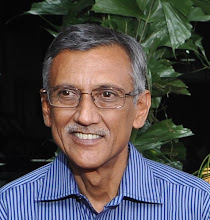
A few days ago, we had written about the LPG kit for two-wheelers. On Wednesday, I made a visit to Chitradurga, a town 200 KM from Bangalore, to check out this innovative idea of Mr Veerabadraiah and understand more about it.
It was not difficult to find his garage as Chitradurga is quite a small city and many people in the town gave me instructions on how to reach him.
Once I reached the garage of Mr Veeabadraiah, I saw the LPG Hero Honda Bike parked in front of his garage, but without fitment of LPG kit! I wonder why he was not using it daily!
Introduction
After the friendly cup of coffee, we started discussing about the innovation. Mr Veerabadraiah told about his works. To put it in his words, “I started working on this venture about 8 to 10 years back. The urge to find something new, motivated me to do the experiments on my Hero Honda. I worked on whether LPG can be fitted to two wheelers also. Hence I started working on the same and conducted experiments with LPG cylinders fitment to two-wheelers. I did a lot of hard work in designing the jet nozzle that could be fitted for the LPG such as, preparing mould, getting relevant components, designing of the 1 KG cylinder which can be placed conveniently and more.”
Assembly
To get the system working, Mr Veerabadraiah assembled the LPG cylinder to a stand, which had been welded to the grill placed in front side of the bike. The LPG converter was fixed to the rear seat hand grip, and the inlet pipe connected to inlet of the carburetor, and finally a vacuum pipe to the inlet manifold.
Though several people have already put LPG to their two wheelers, Mr Veerabadraiah has gone further and redesigned the carburetor and registered a patent regarding the same.
It is interesting to know that the methods he has used are very systematic and involve a lot of theoretical and practical application of auto technology
Testride
Mr Veerabadraiah was so kind to let me take a test ride of the bike. I switched on the cylinder and started the bike. Though it took a while for starting, there was not much difficulty in starting the bike.
Later on we test rode the bike for about 5 KMs during which I found hardly any difference in the performance and handling with that of a petrol bike. Meanwhile, he also told me that the bike can give mileage of up to 135 KM per kg of LPG. In case LPG gets over, we can switch over to petrol.
Since LPG costs Rs 35 per KG, the KM cost of this bike is 25 paise per KM. Assuming a mileage of 60 KMPL and petrol cost of rs 50, the equivalent cost for petrol is Rs 1.20. This means that the LPG running cost of this bike is a whopping 80% cheaper than with petrol!
Mr Veerabadraiah estimates the cost of the system at Rs 5,000. This means that after about 5250 KMs, you will earn back the cost of the system.
Plans
After returning, the savvy engineer told me that he is already getting many offers from two-wheeler manufacturers and entrepreneurs. He will consider any offers which could bring money to him and fame to Chitradurga.
At present, he has tried to get RTO registration for the conversion to LPG. But, the government has not yet authorized usage of LPG for two wheelers.
On first view, the system does look somewhat vulnerable, which is why maybe the RTO has been reluctant about it. But Mr Veerabadraiah advised me that the system is totally safe.
Conclusions
This was a very important visit. LPG on two-wheelers will be a great development for the world. As the two-wheeler runs quite smoothly in LPG, and in fact as good as petrol, this seems like a very good invention. Except the starting problems, this is technology is perfectly usable.
Obviously, it is a very appreciable thing that a person with no technical qualification in auto technology has worked hard with limited resources with a view of inventing something. We must commend such entrepreneurs who truly drive the country.
With the correct sponsors, hopefully he can take his designs further in putting to two wheelers so that it becomes commercially available to us!
What do you think of LPG in two-wheelers? Do share your thoughts. If you have any questions, please let us know, as Shiva will be happy to help you!
Submitted by Shiva Shankar on August 29, 2
Sunday, August 30, 2009


Friday, August 28, 2009
Ayurveda - The Science of Life from India
"In the great teaching of the Vedas, there is no touch of sectarianism. It is of all ages, climes and nationalities and is the royal road for the attainment of the Great Knowledge."-
Thoreau, American Thinker
The central theme of Indian Vedic sciences is to use the body, mind and soul to service the real self (cosmic spirit). Ayur(life) Veda(science) is the knowledge concerning the maintenance of a long and healthy life. Ayurvedic philosophy and teachings encourage people to follow a pure lifestyle, one that gives clarity, peace of mind and true satisfaction.
The research was done by two Indian sages Charaka and Agnivesa. Their work involved looking into the science of healthy living and prolonging life without illness. Charaka has compiled 150 chapters on details of food and drink substances, detailed classification of disease, lines of treatment, use of drugs, diet and practices of achieving good health.
The resulting Ayurvedic tradition is at least 5,000 years old in India. It is an integrated and comprehensive system of health, diet, wellness and balance for the mind, body and spirit.
The Essence of Ayur(life) veda(sciences)
- Elemental Diet - Every element has its own taste. The earth is made of elements. Every season is rules by specific elements. Every individual has specific elements in them. By using diet for a balance in elements results in good health.
- A balance diet in the Ayurvedic tradition does not revolve around fats, carbohydrates, proteins, calories, vitamins and minerals. Ayurvedic Nutrition takes into account body tissues, water levels, salt levels, electrolytes in the body, gunas or properties of food, dosha or element properties of the individual, tastes, qualities present in the food and food sadhana or assimilation by our body.
- Ayurveda is a science of the individual - eating according to one’s unique metabolic and neurological constitutional type and needs
A book that I would recommend for learning Ayurveda is Perfect Health : The Complete Mind/Body Program for Identifying & Soothing the Source of Your Body's Reaction by Dr. Deepak Chopra Perfect Health by Dr. Deepak Chopra
© Kavita Mehta
Thoreau, American Thinker
The central theme of Indian Vedic sciences is to use the body, mind and soul to service the real self (cosmic spirit). Ayur(life) Veda(science) is the knowledge concerning the maintenance of a long and healthy life. Ayurvedic philosophy and teachings encourage people to follow a pure lifestyle, one that gives clarity, peace of mind and true satisfaction.
The research was done by two Indian sages Charaka and Agnivesa. Their work involved looking into the science of healthy living and prolonging life without illness. Charaka has compiled 150 chapters on details of food and drink substances, detailed classification of disease, lines of treatment, use of drugs, diet and practices of achieving good health.
The resulting Ayurvedic tradition is at least 5,000 years old in India. It is an integrated and comprehensive system of health, diet, wellness and balance for the mind, body and spirit.
The Essence of Ayur(life) veda(sciences)
- Elemental Diet - Every element has its own taste. The earth is made of elements. Every season is rules by specific elements. Every individual has specific elements in them. By using diet for a balance in elements results in good health.
- A balance diet in the Ayurvedic tradition does not revolve around fats, carbohydrates, proteins, calories, vitamins and minerals. Ayurvedic Nutrition takes into account body tissues, water levels, salt levels, electrolytes in the body, gunas or properties of food, dosha or element properties of the individual, tastes, qualities present in the food and food sadhana or assimilation by our body.
- Ayurveda is a science of the individual - eating according to one’s unique metabolic and neurological constitutional type and needs
A book that I would recommend for learning Ayurveda is Perfect Health : The Complete Mind/Body Program for Identifying & Soothing the Source of Your Body's Reaction by Dr. Deepak Chopra Perfect Health by Dr. Deepak Chopra
© Kavita Mehta
Friday, August 14, 2009
A Good news between Hindu & Muslim
Thu, Aug 13 08:49 PM
Anisur Rahman Dhaka, Aug 13 (PTI)
Muslim majority Bangladesh today celebrated Janmashtami with devotional songs and beating drums, while President Zillur Rahman and Premier Sheikh Hasina extended greetings to the people on the occasion. Colourful street marches joined by hundreds of men, women and children beating drums and playing bugles featured the Janmashtami, Lord Krishna''s birthday with festivities while Rahman hosted a reception for distinguished members of the community at the Bangabhaban presidential palace.
Hasina had yesterday hosted another reception for leaders of the Hindu faiths at her official residence and main opposition Bangladesh Nationalist Party (BNP) chief Khaleda Zia issued a statement greeting them on the occasion. The day is a public holiday in Bangladesh while the members of the Hindu community constitute nearly 12 per cent of country''s 130 million populations.
Mayor of Dhaka Sadek Hossain Khoka inaugurated the main Janmashtami procession at Palashi area of the city as it paraded the main thoroughfares with the marchers carrying the images of Lord Krishna, sketches on different events of his life with choirs of religious songs amid rhythm of drumbeat. The other programmes of the day included puja, prayer and Geeta Yagya, discussions, cultural functions, distribution of `prasad'' and feeding to the poor while tight security was in place around the festival grounds and temples.
(MORE) PTI AR.
Anisur Rahman Dhaka, Aug 13 (PTI)
Muslim majority Bangladesh today celebrated Janmashtami with devotional songs and beating drums, while President Zillur Rahman and Premier Sheikh Hasina extended greetings to the people on the occasion. Colourful street marches joined by hundreds of men, women and children beating drums and playing bugles featured the Janmashtami, Lord Krishna''s birthday with festivities while Rahman hosted a reception for distinguished members of the community at the Bangabhaban presidential palace.
Hasina had yesterday hosted another reception for leaders of the Hindu faiths at her official residence and main opposition Bangladesh Nationalist Party (BNP) chief Khaleda Zia issued a statement greeting them on the occasion. The day is a public holiday in Bangladesh while the members of the Hindu community constitute nearly 12 per cent of country''s 130 million populations.
Mayor of Dhaka Sadek Hossain Khoka inaugurated the main Janmashtami procession at Palashi area of the city as it paraded the main thoroughfares with the marchers carrying the images of Lord Krishna, sketches on different events of his life with choirs of religious songs amid rhythm of drumbeat. The other programmes of the day included puja, prayer and Geeta Yagya, discussions, cultural functions, distribution of `prasad'' and feeding to the poor while tight security was in place around the festival grounds and temples.
(MORE) PTI AR.
Thursday, August 13, 2009
Indian natural herb Tulsi to fight back swine flu
Ayurveda, the traditional 'science of life', has a remedy for diseases when every other stream of medicine fails. Now, at a time when swine flu is spreading like wildfire across the world, Ayurveda has the remedy in the form of the miraculous herb, the basil leaves commonly known as Tulsi.
Tulsi, the purest and most sublime plant, has been known and worshipped in India for more than five millennia for its remarkable healing properties. Considered as an 'Elixir of Life', this wonder herb has now been claimed to keep the deadly swine flu at bay and help fast recovery in afflicted persons.
"The anti-flu property of Tulsi has been discovered by medical experts across the world quite recently. Tulsi improves the body's overall defence mechanism including its ability to fight viral diseases. It was successfully used in combating Japanese Encephalitis and the same theory applies to swine flu," Dr U K Tiwari, a herbal medicine practitioner says.
Apart from acting as a preventive medicine in case of swine flu, Tulsi can help the patient recover faster.
"Even when a person has already contracted swine flu, Tulsi can help in speeding up the recovery process and also help in strengthening the immune system of the body," he claims.
Dr Bhupesh Patel, a lecturer at Gujarat Ayurved University, Jamnagar is also of the view that Tulsi can play an important role in controlling swine flu.
"Tulsi can control swine flu and it should be taken in fresh form. Juice or paste of at least 20-25 medium sized leaves should be consumed twice a day on an empty stomach." This increases the resistance of the body and, thereby, reduces the chances of inviting swine flu," believes Patel.
As its name suggests, Tulsi has again proved to be the 'the incomparable' medicine - this time, in the prevention and cure of swine flu.
The symptoms of the H1N1 flu virus in people are similar to the symptoms of seasonal flu and include fever, cough, sore throat, runny or stuffy nose, body aches, headache, chills and fatigue. A significant number of people who have been infected with novel H1N1 flu virus also have reported diarrhea and vomiting. The high risk groups for novel H1N1 flu are not known at this time, but it's possible that they may be the same as for seasonal influenza. However, Please consult a practitioner in case of any such symptoms. Doctors have strictly advised against self medication.
(With PTI inputs)
Tulsi, the purest and most sublime plant, has been known and worshipped in India for more than five millennia for its remarkable healing properties. Considered as an 'Elixir of Life', this wonder herb has now been claimed to keep the deadly swine flu at bay and help fast recovery in afflicted persons.
"The anti-flu property of Tulsi has been discovered by medical experts across the world quite recently. Tulsi improves the body's overall defence mechanism including its ability to fight viral diseases. It was successfully used in combating Japanese Encephalitis and the same theory applies to swine flu," Dr U K Tiwari, a herbal medicine practitioner says.
Apart from acting as a preventive medicine in case of swine flu, Tulsi can help the patient recover faster.
"Even when a person has already contracted swine flu, Tulsi can help in speeding up the recovery process and also help in strengthening the immune system of the body," he claims.
Dr Bhupesh Patel, a lecturer at Gujarat Ayurved University, Jamnagar is also of the view that Tulsi can play an important role in controlling swine flu.
"Tulsi can control swine flu and it should be taken in fresh form. Juice or paste of at least 20-25 medium sized leaves should be consumed twice a day on an empty stomach." This increases the resistance of the body and, thereby, reduces the chances of inviting swine flu," believes Patel.
As its name suggests, Tulsi has again proved to be the 'the incomparable' medicine - this time, in the prevention and cure of swine flu.
The symptoms of the H1N1 flu virus in people are similar to the symptoms of seasonal flu and include fever, cough, sore throat, runny or stuffy nose, body aches, headache, chills and fatigue. A significant number of people who have been infected with novel H1N1 flu virus also have reported diarrhea and vomiting. The high risk groups for novel H1N1 flu are not known at this time, but it's possible that they may be the same as for seasonal influenza. However, Please consult a practitioner in case of any such symptoms. Doctors have strictly advised against self medication.
(With PTI inputs)
Tuesday, July 28, 2009
Tipu Sultan - the Glorified Butcher?
Indian culture has faced many enemies - both internal and external; but it has always survived. Of the single men who tried their best to destroy it, perhaps none can match the Tipu Sultan. But now, since we have these notions of political correctness and trying to prove "how much these muslim rulers have contrubuted to us", he has been glorified as a national hero. But in reality, he was only a religious fanatic who believed in converting as many Hindus to Islam, and killing those who didn't fall in line.
Living in Kerala, one does not have to read historical books to know about Tipu's oppression. It was just a few generations back and Tipu's cruelty is a part of the folk-lore. Temples relocated, idols (some of them even made of gold) buried (some of them recently recovered) and people resettled, in the wake of Tipu's military campaign ('padayottam' as it is locally known). Below, I give parts from the review of a book on this subject, which I found very interesting. I have given a link to the full review towards the end
In 1989, the national Indian TV, Doordarshan, ran a serial on Tipu Sultan, ruler of Mysore from 1782 to 1799 A.D. With the lofty objective of national integration and communal harmony, the national TV presented Tipu Sultan as a hero of Hindu-Muslim amity and a staunch freedom fighter against the British. [But this is quite contarary to reality]
Tipu Sultan: Villain or Hero? originally published by the Bombay Malayalee Samajam, is an anthology of essays that excoriates Doordarshan's depiction of Tipu Sultan and criticizes the peculiar "secularism" practised by the contemporary Indian State.
In the words of Ravi Varma, one of the contributors to the anthology: "It was Tipu Sultan and his fanatic Muslim army who converted thousands of Hindus to Islam all along the invasion route and occupied areas in North Kerala, Coorg, Mangalore, and other parts of Karnataka. Besides over 8,000 Hindu temples were desecrated and/or destroyed by his Muslim army. Even today, one can see large concentrations of Muslims and ruins of hundreds of destroyed temples in North Kerala as standing evidence of the Islamic brutalities committed by Tipu Sultan ... He was, all through, waging a cruel Islamic war against the Hindu population of Kerala, with a large Muslim army and ably assisted by the French with powerful field guns and European troops. ...In spite of all this, historical documents and records are being suppressed, distorted, and falsified in order to project this fanatic Tipu Sultan of Mysore as a national hero like Chhatrapati Shivaji, Maharaja Ranjit Singh, Rana Pratap Singh, and Pazhassi Raja of Kerala. It is an insult to our national pride and also to the Hindus of Kerala by our 'secular' government and the motivated Muslim and Marxist historians of Jawaharlal Nehru, Aligarh, and Islamia universities."
Tippu's letters
So what do the original sources tell us about Tipu? Excerpts from Tipu's letters as researched by the distinguished Kerala historian K. M. Panicker, which he reviewed in the Bhasha Poshini magazine, August 1923:
1. Letter dated March 22, 1788, to Abdul Kadir: "Over 12,000 Hindus were honoured with Islam. There were many Namboodri Brahmins among them. This achievement should be widely publicised among the Hindus. Then the local Hindus should be brought before you and converted to Islam. No Namboodri Brahmin should be spared. "
2. Letter dated December 14, 1988, to his army chief in Calicut: " I am sending two of my followers with Mir Hussain Ali. With their assistance, you should capture and kill all Hindus. Those below 20 may be kept in prison and 5000 from the rest should be killed from the tree-tops. These are my orders."
3. Letter dated January 18, 1790, to Syed Abdul Dulai: " ...almost all Hindus in Calicut are converted to Islam. I consider this as Jehad."
From 'A Voyage to the East Indies' by Fra Barthoelomeo, a renowned Portuguese traveller and historian, who was present in Tipu's war zone in early 1790:
"First a corps of 30,000 barbarians who butchered everybody on the way ... followed by the field gun unit under the French commander, M. Lally. Tipu was riding on an elephant behind which another army of 30,000 soldiers followed. Most of the men and women were hanged in Calicut, first mothers were hanged with their children tied to necks of mothers. That barbarian Tipu Sultan tied the naked Christian and Hindus to the legs of elephants and made the elephants to move around till the bodies of the helpless victims were torn to pieces. Temples and churches were ordered to be burned down, desecrated, and destroyed. ... Those Christians who refused to be honoured with Islam were ordered to be killed by hanging immediately. These atrocities were told to me by the victims of Tipu Sultan who escaped from the clutches of his army and reached Varapphuza, which is the centre of Carmichael Christian Mission. I myself helped many victims to cross the Varapphuza river by boats."
For more on this, read the book:
Tipu Sultan:Villain or Hero?
edited by Sita Ram Goel
New Dehli: Voice of India, 1995
Living in Kerala, one does not have to read historical books to know about Tipu's oppression. It was just a few generations back and Tipu's cruelty is a part of the folk-lore. Temples relocated, idols (some of them even made of gold) buried (some of them recently recovered) and people resettled, in the wake of Tipu's military campaign ('padayottam' as it is locally known). Below, I give parts from the review of a book on this subject, which I found very interesting. I have given a link to the full review towards the end
In 1989, the national Indian TV, Doordarshan, ran a serial on Tipu Sultan, ruler of Mysore from 1782 to 1799 A.D. With the lofty objective of national integration and communal harmony, the national TV presented Tipu Sultan as a hero of Hindu-Muslim amity and a staunch freedom fighter against the British. [But this is quite contarary to reality]
Tipu Sultan: Villain or Hero? originally published by the Bombay Malayalee Samajam, is an anthology of essays that excoriates Doordarshan's depiction of Tipu Sultan and criticizes the peculiar "secularism" practised by the contemporary Indian State.
In the words of Ravi Varma, one of the contributors to the anthology: "It was Tipu Sultan and his fanatic Muslim army who converted thousands of Hindus to Islam all along the invasion route and occupied areas in North Kerala, Coorg, Mangalore, and other parts of Karnataka. Besides over 8,000 Hindu temples were desecrated and/or destroyed by his Muslim army. Even today, one can see large concentrations of Muslims and ruins of hundreds of destroyed temples in North Kerala as standing evidence of the Islamic brutalities committed by Tipu Sultan ... He was, all through, waging a cruel Islamic war against the Hindu population of Kerala, with a large Muslim army and ably assisted by the French with powerful field guns and European troops. ...In spite of all this, historical documents and records are being suppressed, distorted, and falsified in order to project this fanatic Tipu Sultan of Mysore as a national hero like Chhatrapati Shivaji, Maharaja Ranjit Singh, Rana Pratap Singh, and Pazhassi Raja of Kerala. It is an insult to our national pride and also to the Hindus of Kerala by our 'secular' government and the motivated Muslim and Marxist historians of Jawaharlal Nehru, Aligarh, and Islamia universities."
Tippu's letters
So what do the original sources tell us about Tipu? Excerpts from Tipu's letters as researched by the distinguished Kerala historian K. M. Panicker, which he reviewed in the Bhasha Poshini magazine, August 1923:
1. Letter dated March 22, 1788, to Abdul Kadir: "Over 12,000 Hindus were honoured with Islam. There were many Namboodri Brahmins among them. This achievement should be widely publicised among the Hindus. Then the local Hindus should be brought before you and converted to Islam. No Namboodri Brahmin should be spared. "
2. Letter dated December 14, 1988, to his army chief in Calicut: " I am sending two of my followers with Mir Hussain Ali. With their assistance, you should capture and kill all Hindus. Those below 20 may be kept in prison and 5000 from the rest should be killed from the tree-tops. These are my orders."
3. Letter dated January 18, 1790, to Syed Abdul Dulai: " ...almost all Hindus in Calicut are converted to Islam. I consider this as Jehad."
From 'A Voyage to the East Indies' by Fra Barthoelomeo, a renowned Portuguese traveller and historian, who was present in Tipu's war zone in early 1790:
"First a corps of 30,000 barbarians who butchered everybody on the way ... followed by the field gun unit under the French commander, M. Lally. Tipu was riding on an elephant behind which another army of 30,000 soldiers followed. Most of the men and women were hanged in Calicut, first mothers were hanged with their children tied to necks of mothers. That barbarian Tipu Sultan tied the naked Christian and Hindus to the legs of elephants and made the elephants to move around till the bodies of the helpless victims were torn to pieces. Temples and churches were ordered to be burned down, desecrated, and destroyed. ... Those Christians who refused to be honoured with Islam were ordered to be killed by hanging immediately. These atrocities were told to me by the victims of Tipu Sultan who escaped from the clutches of his army and reached Varapphuza, which is the centre of Carmichael Christian Mission. I myself helped many victims to cross the Varapphuza river by boats."
For more on this, read the book:
Tipu Sultan:Villain or Hero?
edited by Sita Ram Goel
New Dehli: Voice of India, 1995
Thursday, July 23, 2009
குரு பரம்பரை கதை
பேராசை பெருமாள்சாமியை தெரியாதவர்கள் யாரும் இருக்க முடியாது. வாழ்க்கையில் ஒவ்வொரு செயலும் தன்னக்கு பெரிய செல்வம் வரவேண்டும் என்ற நோக்கத்தில் செயல்படுவது அவனது இயல்பு. தனது ஆசையால் சிறுக சிறுக பொருள் சேர்ப்பது அவனுக்கு சரியாக படவில்லை.
அடித்தால் ஒரே அடியில் பெரும் பணத்தை சம்பாதித்து அதை வைத்து வாழ்க்கை மேம்படுத்தவேண்டும் என முடிவெடுத்தான். ஜோதிடரிடம் சென்று ஜாதகத்தை கண்பித்து இவனது செல்வநிலையை முடிவுசெயலாம் ஜோதிடரை அணுகினான். அவனது ஜாதகம் சிறப்பாக இருக்கிறது என்றும் கூடிய விரைவில் பெருமாள் சாமிக்கு புதையல் கிடைக்கும் என்றும் ஜோதிடர் சொன்னார்.
காய்கறி கடையில் சில ரூபாய் மிச்சம் பிடித்தாலே சந்தோஷத்தில் இரவு தூங்கமாட்டன் பெருமாள் சாமி, இந்த லட்சணத்தில் ஜோதிடர் சொன்னது அவனுக்கு காதில் ரிங்காரம் அடித்துக்கொண்டே இருந்தது.
எப்படி புதையல் கிடைக்கும்? எங்கு இருக்கும்? அந்த புதையல் நமக்கு போதுமானதாக இருக்குமா என பல எண்ணங்கள் சிந்தனையில் வந்தவண்ணம் இருந்தது.
அந்த ஊரில் இருக்கும் ஓர் ஞானியை பார்த்து கேட்டால் அவர் தனக்கு உதவகூடும் என எண்ணினான். கண்களில் பேராசை மின்ன தன்முன் வந்து நிற்கும் பெருமாள் சாமியை பார்த்தார் ஞான குரு . "ஐயா எனக்கு புதையல் கிடைக்கும் என ஜோதிடர் சொன்னார். நீங்கள் தான் எனக்கு அந்த புதையல் கிடைக்க வழி சொல்ல வேண்டும்" என்றான் பெருமாள் சாமி.
பெருமாள் சாமியின் உண்மையான தேவையை உணர்ந்த ஞான குரு...புன்னகையுடன் பார்த்தார் பின்பு..." பெருமாள் சாமி , இந்த ஊரின் மேற்கு பகுதியில் இருக்கும் மலைக்கு அதிகாலையில் செல். சூரிய ஒளியில் உனது நிழலை கவனி. நிழலின் அளவு எங்கு முற்றிலும் குறைகிறதோ அங்கு புதையல் இருக்கிறது" இதை கேட்டதும் அவருக்கு நன்றி சொல்ல கூட தோன்றாமல் விரைவாக நடந்தான்.
அதிகாலையில் குளித்துவிட்டு பயபக்தியுடன் மேற்கு மழைக்கு சென்றான். மலையை பார்த்து நின்றான். பின்புறம் இருந்த சூரிய ஒளியால் நிழல் தெரிய துவங்கியது. நிழலை பின்தொடர்ந்தான். உச்சிவேளையில் நிழல் அவனது உடலில் ஐக்கியம் அடைந்து காணாமல் போனது.
காலை முதல் நிழலை பார்த்த வண்ணம் இருந்ததால் மனம் ஒருமுகப்பட்டு தனது உள்நிலையில் தெளிவான நிலையில் இருந்தான். முடிவாக பெருமாள் சாமி புதையல் தனக்குள்ளே இருக்கிறது என்பதை உணர்ந்தான்.
--------------------------ஓம்----------------------
தன்னுள் தேடாமல் எப்பொருளைவெளியே தேடினாலும் அது முடிவாகாது.
தன்னுள் சேர்க்காத எப்பொருளும் நம்மிடம் சேராது.
180 டிகிரி திரும்புங்கள். உங்கள் பிறப்பின் மூலத்தை காண முயற்சியிங்கள்.
அங்கே புதையல் கொட்டிக்கிடக்கிறது.
உங்கள் உள்ளே இருக்கும் ”உருபொருளை” புதையலாக நினைத்து தோன்டி எடுங்கள், புதைபொருளாக மாற்றி புதைத்துவிடாதிர்கள்.
அடித்தால் ஒரே அடியில் பெரும் பணத்தை சம்பாதித்து அதை வைத்து வாழ்க்கை மேம்படுத்தவேண்டும் என முடிவெடுத்தான். ஜோதிடரிடம் சென்று ஜாதகத்தை கண்பித்து இவனது செல்வநிலையை முடிவுசெயலாம் ஜோதிடரை அணுகினான். அவனது ஜாதகம் சிறப்பாக இருக்கிறது என்றும் கூடிய விரைவில் பெருமாள் சாமிக்கு புதையல் கிடைக்கும் என்றும் ஜோதிடர் சொன்னார்.
காய்கறி கடையில் சில ரூபாய் மிச்சம் பிடித்தாலே சந்தோஷத்தில் இரவு தூங்கமாட்டன் பெருமாள் சாமி, இந்த லட்சணத்தில் ஜோதிடர் சொன்னது அவனுக்கு காதில் ரிங்காரம் அடித்துக்கொண்டே இருந்தது.
எப்படி புதையல் கிடைக்கும்? எங்கு இருக்கும்? அந்த புதையல் நமக்கு போதுமானதாக இருக்குமா என பல எண்ணங்கள் சிந்தனையில் வந்தவண்ணம் இருந்தது.
அந்த ஊரில் இருக்கும் ஓர் ஞானியை பார்த்து கேட்டால் அவர் தனக்கு உதவகூடும் என எண்ணினான். கண்களில் பேராசை மின்ன தன்முன் வந்து நிற்கும் பெருமாள் சாமியை பார்த்தார் ஞான குரு . "ஐயா எனக்கு புதையல் கிடைக்கும் என ஜோதிடர் சொன்னார். நீங்கள் தான் எனக்கு அந்த புதையல் கிடைக்க வழி சொல்ல வேண்டும்" என்றான் பெருமாள் சாமி.
பெருமாள் சாமியின் உண்மையான தேவையை உணர்ந்த ஞான குரு...புன்னகையுடன் பார்த்தார் பின்பு..." பெருமாள் சாமி , இந்த ஊரின் மேற்கு பகுதியில் இருக்கும் மலைக்கு அதிகாலையில் செல். சூரிய ஒளியில் உனது நிழலை கவனி. நிழலின் அளவு எங்கு முற்றிலும் குறைகிறதோ அங்கு புதையல் இருக்கிறது" இதை கேட்டதும் அவருக்கு நன்றி சொல்ல கூட தோன்றாமல் விரைவாக நடந்தான்.
அதிகாலையில் குளித்துவிட்டு பயபக்தியுடன் மேற்கு மழைக்கு சென்றான். மலையை பார்த்து நின்றான். பின்புறம் இருந்த சூரிய ஒளியால் நிழல் தெரிய துவங்கியது. நிழலை பின்தொடர்ந்தான். உச்சிவேளையில் நிழல் அவனது உடலில் ஐக்கியம் அடைந்து காணாமல் போனது.
காலை முதல் நிழலை பார்த்த வண்ணம் இருந்ததால் மனம் ஒருமுகப்பட்டு தனது உள்நிலையில் தெளிவான நிலையில் இருந்தான். முடிவாக பெருமாள் சாமி புதையல் தனக்குள்ளே இருக்கிறது என்பதை உணர்ந்தான்.
--------------------------ஓம்----------------------
தன்னுள் தேடாமல் எப்பொருளைவெளியே தேடினாலும் அது முடிவாகாது.
தன்னுள் சேர்க்காத எப்பொருளும் நம்மிடம் சேராது.
180 டிகிரி திரும்புங்கள். உங்கள் பிறப்பின் மூலத்தை காண முயற்சியிங்கள்.
அங்கே புதையல் கொட்டிக்கிடக்கிறது.
உங்கள் உள்ளே இருக்கும் ”உருபொருளை” புதையலாக நினைத்து தோன்டி எடுங்கள், புதைபொருளாக மாற்றி புதைத்துவிடாதிர்கள்.
இந்தியாவுக்கு எதிரான போருக்கும் செங்கல்லும்
செங்கல்! என்னாங்கடா இது? மொட்டைத் தலைக்கும், முழங்காலுக்கும் எப்படி முடிச்சுப் போட முடியும்?? இந்தியாவுக்கு எதிரான போருக்கும் செங்கல்லுக்கும் என்ன தொடர்பு?? இப்படி எல்லாம் கேள்விகள் உங்க மனசுல தோணும்! தோண வெக்கிறதுதான நம்ம நோக்கமே?!
ஆமாங்க, எப்பவும் ஒரு நிகழ்வுன்னா அதற்கான காரணங்களை(reason) மட்டுமே கருத்துல கொண்டு செயல்படக் கூடாது, அதற்கான நிமித்தங்களையும் (cause) ஆராயணும். அப்பத்தான் பிரச்சினைய முழுசாப் புரிஞ்சிக்க முடியும். அந்த வகையில, அதென்ன இந்த செங்கல்?
Brazil, Russia, India and China, இந்த நான்கு நாடுகளையும் சேர்த்து சொல்றது BRIC. இந்த பதத்தை 2001ம் ஆண்டுலயே வெளி உலகுக்கு அறிமுகம் செய்தது Goldman Sachsங்ற பெரிய அமெரிக்க நிறுவனம். அதாவது இந்த நாலும் வேகமாக வளர்ந்து, உலக பொருளாதாரத்தை ஆள வல்லதுன்னு சொன்னாங்க. BRICங்றதின் ஆங்கில உச்சரிப்பைத் தமிழாக்கம் செய்து சொன்னதுதான் இந்த செங்கல். என்னா வில்லத்தனம்?!
Goldman Sachsன் ஆய்வறிக்கை சொல்லுது, தற்போதைய நிலை நீடிக்கிற பட்சத்துல சீனாவும் இந்தியாவும் முறையே, உலக முதல், இரண்டாவது இடங்களைப் பொருளாதார ரீதியா 2027லயே கூட அடைய வாய்ப்பு இருக்குன்னு. இந்த சூழ்நிலையில, இந்த நான்கு நாடுகளும் Yekaterinburgல அடுத்த வாரம் ஒன்னாக் கூடி இன்றைய சூழ்நிலையப் பத்தி அலசி ஆராயப் போறாங்கங்றது முக்கியமான விசயம். குறிப்பா பொதுநாணயம் (supranational currency) உண்டு செய்யலாமான்னு கலந்துரையாடப் போறாங்களாம். அப்ப அமெரிக்க வெள்ளி (US $$)??
பொருளாதார உலகுல இதுதாங்க மனித நேயத்துக்கு எதிரான ஒன்னு, ரொம்ப கொடுமையான விசயமுங்கூட. ஒருத்தர் மேலுக்கு வரணும்ன்னா, அடுத்தவருக்கு பின்னடைவு உண்டாகணும். ஆக இந்த நான்கு நாடுகளும் மேலோங்கும் போது, பின்னடையப் போறது யார்? அவங்க தான் பாதிக்காம இருக்குறதுக்கு என்னென்ன செய்யப் போறாங்க?? கேள்விகள் நமக்குத் தோணுதே??
1. அரசியல்க் குழப்பம் விளைவித்தல் (political turmoil)
2. சுற்றுச்சூழல் பாதுகாப்பின்மை உருவாக்குதல் (environmental constraints)
3. அடிப்படை வசதிகளைத் தந்துதவாமை (resource constraints)
4. மனிதசக்தியைச் சீர்குலைத்தல் (demographic issues)
5. கட்டமைப்பில் மேன்மையுறத் தடங்கல் (infrastructure constraints)
6. இராணுவ ரீதியில முடக்கம் (possible war with neighbours)
இந்தப் பின்னணியில இந்தியாவுக்கும் சீனாவுக்கும் உறவுகள் மேம்பட வேண்டியது ரொம்ப அவசியம். இது நான் இந்தியனா இருக்குறதால எனக்கு ஏற்படுற பார்வை. சீனாக்காரன் என்ன நினைப்பான்? அட, நாமதான் உச்சம், முடிஞ்ச வரைக்கும் எதையும் அடக்கி ஆளணும்ன்னுதான் நினைப்பான். இதை மத்தவங்க சாதகமாப் பயன்படுத்தலாம். அதனால இந்தியாவோட முன்னேற்றம் தடைபட வாய்ப்பு இருக்கு.
அதனாலதான் ஒரு மூனாவது ஆளோட கட்டுரை சொல்லுது, ”The prospect of one or more BRIC nations being involved in a potentially devastating war cannot be ruled out -- a particular risk for India!”
இதுகளை எல்லாம் வெச்சிப் பாக்கும் போது, ஒன்னு மட்டும் தெளிவாத் தெரியுதுங்க. நம்ம நாட்டுக்கு வலுவான, தெளிவான தலைமை தேவை. ஊரை அடிச்சு உலையில போடுறதை விட்டுட்டு, உணர்ச்சிகரமான பரப்புரைகளை ஒழிச்சிட்டு, தொலைநோக்குப் பார்வையோட புரட்சியக் கொண்டு வர்றதுக்கு அவங்க ஒன்னு சேரணும்.
குறைந்தபட்சம் இளைஞர்களுக்கு தொலைநோக்குப் பார்வை வரணும். பாடப் புத்தகங்கள்ல இது தொடர்பான பாடங்களை உயர்நிலைப் பள்ளியிலயே வைக்கணும்.
ஆமாங்க, எப்பவும் ஒரு நிகழ்வுன்னா அதற்கான காரணங்களை(reason) மட்டுமே கருத்துல கொண்டு செயல்படக் கூடாது, அதற்கான நிமித்தங்களையும் (cause) ஆராயணும். அப்பத்தான் பிரச்சினைய முழுசாப் புரிஞ்சிக்க முடியும். அந்த வகையில, அதென்ன இந்த செங்கல்?
Brazil, Russia, India and China, இந்த நான்கு நாடுகளையும் சேர்த்து சொல்றது BRIC. இந்த பதத்தை 2001ம் ஆண்டுலயே வெளி உலகுக்கு அறிமுகம் செய்தது Goldman Sachsங்ற பெரிய அமெரிக்க நிறுவனம். அதாவது இந்த நாலும் வேகமாக வளர்ந்து, உலக பொருளாதாரத்தை ஆள வல்லதுன்னு சொன்னாங்க. BRICங்றதின் ஆங்கில உச்சரிப்பைத் தமிழாக்கம் செய்து சொன்னதுதான் இந்த செங்கல். என்னா வில்லத்தனம்?!
Goldman Sachsன் ஆய்வறிக்கை சொல்லுது, தற்போதைய நிலை நீடிக்கிற பட்சத்துல சீனாவும் இந்தியாவும் முறையே, உலக முதல், இரண்டாவது இடங்களைப் பொருளாதார ரீதியா 2027லயே கூட அடைய வாய்ப்பு இருக்குன்னு. இந்த சூழ்நிலையில, இந்த நான்கு நாடுகளும் Yekaterinburgல அடுத்த வாரம் ஒன்னாக் கூடி இன்றைய சூழ்நிலையப் பத்தி அலசி ஆராயப் போறாங்கங்றது முக்கியமான விசயம். குறிப்பா பொதுநாணயம் (supranational currency) உண்டு செய்யலாமான்னு கலந்துரையாடப் போறாங்களாம். அப்ப அமெரிக்க வெள்ளி (US $$)??
பொருளாதார உலகுல இதுதாங்க மனித நேயத்துக்கு எதிரான ஒன்னு, ரொம்ப கொடுமையான விசயமுங்கூட. ஒருத்தர் மேலுக்கு வரணும்ன்னா, அடுத்தவருக்கு பின்னடைவு உண்டாகணும். ஆக இந்த நான்கு நாடுகளும் மேலோங்கும் போது, பின்னடையப் போறது யார்? அவங்க தான் பாதிக்காம இருக்குறதுக்கு என்னென்ன செய்யப் போறாங்க?? கேள்விகள் நமக்குத் தோணுதே??
1. அரசியல்க் குழப்பம் விளைவித்தல் (political turmoil)
2. சுற்றுச்சூழல் பாதுகாப்பின்மை உருவாக்குதல் (environmental constraints)
3. அடிப்படை வசதிகளைத் தந்துதவாமை (resource constraints)
4. மனிதசக்தியைச் சீர்குலைத்தல் (demographic issues)
5. கட்டமைப்பில் மேன்மையுறத் தடங்கல் (infrastructure constraints)
6. இராணுவ ரீதியில முடக்கம் (possible war with neighbours)
இந்தப் பின்னணியில இந்தியாவுக்கும் சீனாவுக்கும் உறவுகள் மேம்பட வேண்டியது ரொம்ப அவசியம். இது நான் இந்தியனா இருக்குறதால எனக்கு ஏற்படுற பார்வை. சீனாக்காரன் என்ன நினைப்பான்? அட, நாமதான் உச்சம், முடிஞ்ச வரைக்கும் எதையும் அடக்கி ஆளணும்ன்னுதான் நினைப்பான். இதை மத்தவங்க சாதகமாப் பயன்படுத்தலாம். அதனால இந்தியாவோட முன்னேற்றம் தடைபட வாய்ப்பு இருக்கு.
அதனாலதான் ஒரு மூனாவது ஆளோட கட்டுரை சொல்லுது, ”The prospect of one or more BRIC nations being involved in a potentially devastating war cannot be ruled out -- a particular risk for India!”
இதுகளை எல்லாம் வெச்சிப் பாக்கும் போது, ஒன்னு மட்டும் தெளிவாத் தெரியுதுங்க. நம்ம நாட்டுக்கு வலுவான, தெளிவான தலைமை தேவை. ஊரை அடிச்சு உலையில போடுறதை விட்டுட்டு, உணர்ச்சிகரமான பரப்புரைகளை ஒழிச்சிட்டு, தொலைநோக்குப் பார்வையோட புரட்சியக் கொண்டு வர்றதுக்கு அவங்க ஒன்னு சேரணும்.
குறைந்தபட்சம் இளைஞர்களுக்கு தொலைநோக்குப் பார்வை வரணும். பாடப் புத்தகங்கள்ல இது தொடர்பான பாடங்களை உயர்நிலைப் பள்ளியிலயே வைக்கணும்.
Subscribe to:
Posts (Atom)